
The pokies floor at a suburban club might still pull the crowds on a Friday arvo, but a quiet shift has been underway in how Australians chase that thrill. More punters are logging on from the couch, swapping the clatter of machines for a live dealer spinning cards in real time. The appeal is obvious when you think about it: no drive to the local, no queue for a table, just a feed straight to your screen with a croupier calling the shots. What started as a novelty has matured into a proper segment of the local iGaming market, and the platforms pushing it hardest are leaning into the idea of an unlimited live casino experience where tables never close and seats are always open.
It is not just about convenience, either. There is a social texture to watching a real human deal that a random number generator simply cannot replicate. You hear the cards slap the felt, see the roulette ball bounce, and get that same buzz you would feel leaning over a table at a Crown venue or a busy pub in Newcastle. The operators know it, and they have built their offerings around streaming quality, game variety, and the promise that you can jump into a session whenever the urge hits. That is where the conversation about unlimited live casino play gets interesting for anyone tracking the space, because the label masks a fair bit of complexity around regulation, player behaviour, and how the tech actually holds up when thousands of Aussies are watching at once.
What Makes Live Dealer Tables Tick
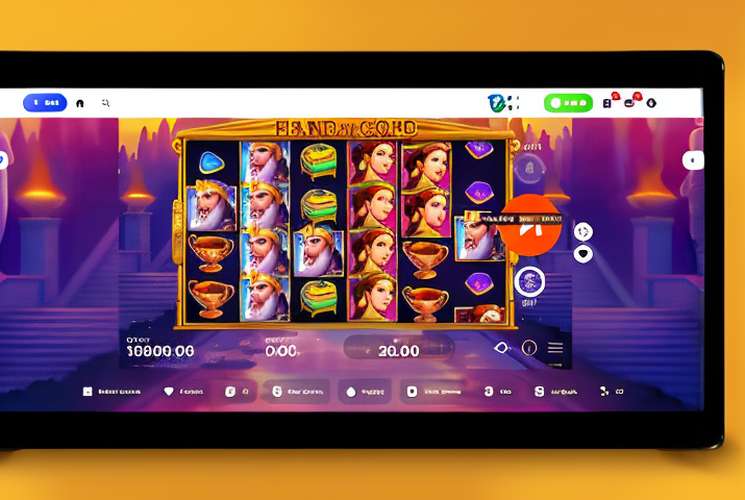
The backbone of any decent live table is the production setup, and the bar has risen quickly since the early days of grainy feeds and laggy audio. Modern studios use multiple camera angles, optical character recognition to capture the cards and wheel results instantly, and a dealer who is trained to keep the pace steady without rushing the punters. You can tell the difference within a minute of joining a session: the shuffle sounds crisp, the bets lock in cleanly, and the chat function actually works rather than sitting there as a decorative box. That kind of polish matters because Australian players are quick to drop a platform that feels clunky, and the operators who have invested properly in their streaming infrastructure are the ones keeping the tables full.
Behind the scenes, the dealer studios are often housed in jurisdictions with clear licensing frameworks, which is part of how the local market stays compliant while still offering the experience punters want. The feed is encrypted, the outcome verification is tied to independent testing labs, and the game logic runs through systems that have been audited well before a single Australian dollar hits the table. It is a long way from the backroom card games that used to operate under the radar, and the transparency is a big reason the segment has grown without the sort of backlash that used to dog early online gambling. The dealers themselves are usually briefed on handling a global audience, which means they are comfortable fielding questions in a mix of accents and keeping the tone light without crossing into anything that would set off a compliance flag.
The Australian Slot and Table Landscape
If you want to understand where live dealer play fits into the broader picture, you have to look at how entrenched the pokie culture is here. The local market has always leaned heavily on electronic gaming machines, and the numbers back that up: a small share of players can account for a large share of pokie losses, which is a pattern that has driven a lot of the responsible gambling debate in state parliaments over the past decade. That concentration of spend is one reason regulators have kept a close eye on product design, bonus structures, and the way platforms encourage repeat sessions. Live dealer tables sit in a different bucket because the pace is slower and the interaction is more visible, but the underlying question about who is playing and how much they are risking remains just as relevant.
The state-by-state split adds another layer. New South Wales and Victoria have their own licensing regimes, South Australia handles things differently again, and the territories have their own rules on top of that. A platform operating nationally has to juggle all of that while keeping the offering consistent, which is no small feat when you are dealing with live streaming, real-money settlements, and a customer base that expects the experience to work smoothly on a phone during a commute on the T8 at Central. The operators who have managed it tend to be the ones that built their compliance frameworks early rather than bolting them on after the fact, and that history shows up in how cleanly the tables run when the traffic spikes.
How Unlimited Tables Differ from Standard Rooms
The word unlimited gets thrown around a lot, but in practice it usually points to a few specific design choices rather than a literal absence of limits. The most obvious one is table capacity: instead of a single dealer running a six-seat baccarat or blackjack table, the setup can scale to accommodate a much larger lobby of players who are betting alongside each other. You are not necessarily playing against the other punters, but you are sharing the same shoe, the same wheel, and the same croupier, which keeps the action moving without forcing anyone to wait for a vacant seat. That matters for players who want to drop in for a quick session during a lunch break or after work without watching a queue build up.
There is also the question of game variety and session length. A standard live room might rotate through a handful of tables at set hours, whereas a broader setup keeps multiple variants running across the clock so that blackjack, roulette, baccarat, and the occasional game show-style format are all available whenever you log on. The dealers rotate, the shoes are shuffled on a schedule, and the platform handles the handoff so the feed does not drop. For anyone comparing options, that continuity is often the real differentiator, and it is why the phrase unlimited live casino tends to come up in reviews that focus on availability rather than just the raw number of tables on the menu.
This kind of continuous availability often comes down to how the platform manages its dealer roster and studio capacity. Operators who balance these factors well tend to keep wait times short even during peak traffic, which is a key differentiator when comparing smaller operators to those who scale their live offerings more aggressively. You can read more about how boutique studios handle these scheduling challenges at boutique live studios.
Joe Fortune and the Competitive Field
When you line up the platforms that have built a solid Aussie following, Joe Fortune sits near the top of the conversation for a reason. The brand has put real effort into localisation, from the AUD denominations on the tables to the support hours that actually cover the local time zones, and that kind of attention shows up in how smoothly a session runs when you are betting in dollars rather than euros or pounds. The live dealer section is integrated into the broader sportsbook and casino lobby, which means you can move from a pre-match accumulator to a blackjack table without jumping through separate apps or re-entering details. That seamless flow is part of why the platform has held its ground in a market that has become increasingly crowded.
A proper look at the local landscape shows how the leading operators stack up against each other on the things that matter most to punters.
| Platform | Live Table Range | AUD Support | Local Licensing Approach |
| Joe Fortune | Broad live dealer lobby with blackjack, roulette, baccarat and game-show variants | Yes, direct AUD denominations and settlement | Compliant across multiple Australian states with region-specific rules |
| Other major operators | Strong core tables with some variant depth | AUD available on most, but not all, tables | Varies by brand, with some relying on international licensing alongside local compliance |
| Smaller niche sites | Limited live selection, often focused on one or two games | Mixed currency support | Often narrower compliance footprint, which can affect table availability |
The comparison is not about declaring a single winner, because different players prioritise different things. Some want the broadest possible table selection, others care more about the quality of the stream or the speed of customer support when a bet does not settle the way they expected. What stands out in the local market is that the brands with a clear Australian focus tend to handle the currency and compliance piece more cleanly, and that reduces the friction that can otherwise turn a good session into isaaltariq.com a frustrating one.
Social Gambling Roots and Modern Play
The appetite for card games and table play did not emerge from nowhere, and it helps to look at the cultural habits that have shaped it. Mahjong for money is a staple of social gambling in Chinese communities, and that tradition of gathering around a table with mates has parallels in the way live dealer tables have taken off among players who want a bit of social texture without leaving home. The games are different, but the underlying draw is similar: a shared session, a visible outcome, and the chance to read the room even when you are watching through a screen. That cultural continuity is one reason the live segment has found traction beyond the usual early adopters.
History has always had its share of keen gamblers, and Roman emperors including Claudius and Nero were known to be keen gamblers, which is a reminder that the urge to test luck around a table is not exactly a modern invention. What has changed is the delivery mechanism and the regulatory frame around it. The old emperors were playing for stakes that would make a modern punter blink, but they were also dealing with the same mix of thrill, social display, and risk that shows up in a live dealer lobby today. The difference is that contemporary platforms have to operate within a compliance structure that the Roman court never had to think about, and that structure shapes everything from the game rules to the way bonuses are presented.
Reading the Odds and Playing Smart
Live dealer tables can feel more approachable than a row of pokies because the rules are visible and the pace is easier to follow, but that does not mean the odds stop matterising. Blackjack still hinges on basic strategy, roulette outcomes are independent from spin to spin, and baccarat carries its own house edge on each bet type. The dealer cannot bend the rules to help a player out, and the platform cannot override the math once the shoe is in motion. The best approach is to treat the session like any other form of entertainment with a clear budget, a time limit, and a plan for when to step away rather than chasing a run that has gone cold.
For players who want to keep the experience enjoyable without letting it drift into something heavier, a few practical habits make a difference.
- Set a session budget in AUD before you join a table and treat it as the ceiling, not a target to recover if the cards turn
- Pick a table denomination that matches the bankroll you are comfortable playing with, rather than jumping up to a higher seat just because it is open goldencrown casino for online pokie fans
- Learn the basic strategy for the game you are playing, because blackjack and baccarat both reward a bit of discipline more than guesswork
- Use the time limit feature if the platform offers one, so the session has a natural end rather than drifting on past the point you intended
- Keep the chat light and treat the dealer as part of the experience, but do not mistake friendliness for an edge in the game
- Check that the platform displays clear rules for the variant you are joining, because side bets and rule tweaks can change the house edge more than people expect
- Step away if the session stops feeling fun, because live tables are built to run continuously and there is no shortage of another seat opening up later
Choosing a Platform That Fits
The right platform depends on what you want from the session, and the options on the local market are broad enough that a bit of sorting pays off. Streaming quality is the first thing most players notice, and a stable feed with clear audio and clean card recognition makes the whole experience feel more trustworthy. After that, the currency handling matters: direct AUD settlement removes a layer of hassle, and the platforms that have built that in tend to run more smoothly for local punters who do not want to think about conversion rates mid-session. Customer support is another piece that separates the polished operators from the rest, because a live table can throw up questions about bet timing, result verification, or account details that need a quick answer rather than a ticket that sits for a day.
For anyone narrowing down the options, it helps to compare the things that actually affect a session rather than the marketing gloss around it.
- Check whether the live dealer lobby runs on a stable stream with minimal lag, because a dropped feed mid-hand is the quickest way to sour a session
- Look for direct AUD denominations and settlement so you are not juggling currencies or wondering about conversion fees
- Confirm that the platform’s licensing and compliance setup covers the Australian state you are playing from, since the rules vary across the country
- Compare the table variety against what you actually play, because a massive lobby is less useful if most of it is in variants you never touch
- Test the customer support response before committing serious time, since a quick answer during a session is worth more than a polished FAQ page
- Read the rules for each variant carefully, especially around side bets and dealer actions, because small rule differences can shift the edge more than expected
- Treat any bonus or promotion as a condition to read properly, not a free pass, because wagering requirements and table restrictions can shape how useful an offer really is
The market is moving toward more variety and better production, and the platforms that keep investing in those areas are the ones that will hold the attention of Australian players who have come to expect a smooth, properly localised experience. For those keen on the live dealer side of the space, a closer look at what is on offer at the goldencrown casino for online pokie fans can be a useful starting point when comparing how different sites structure their tables and handles. The broader iGaming scene keeps evolving, and anyone tracking the local business side will recognise that the operators who get the compliance, currency, and streaming basics right are the ones building the most durable followings.
Top-tier live tables now mirror the polished flow of curated arts programming, where every visual cue, audio cue, and betting mechanic is deliberately aligned to keep players fully immersed. Reviewing these structural choices through an established industry showcase like the arts hub portal can help operators benchmark their own table layouts against current market standards. Ultimately, the platforms that treat every interface detail as part of a cohesive experience will stay ahead of the curve.